Wood Forestry – FAQs
Home » About Wood Forestry » Wood Forestry – FAQs
How do I know what my timber is worth?
Your Consulting Forester can advise you of the likely value of your timber by doing a “cruise” – an on-the-ground assessment of the number, size, and type of trees on your site. This information, reviewed with current market demand and timber prices will give you a ballpark figure for your timber.
What is the smallest amount of timber that will be accepted by loggers?
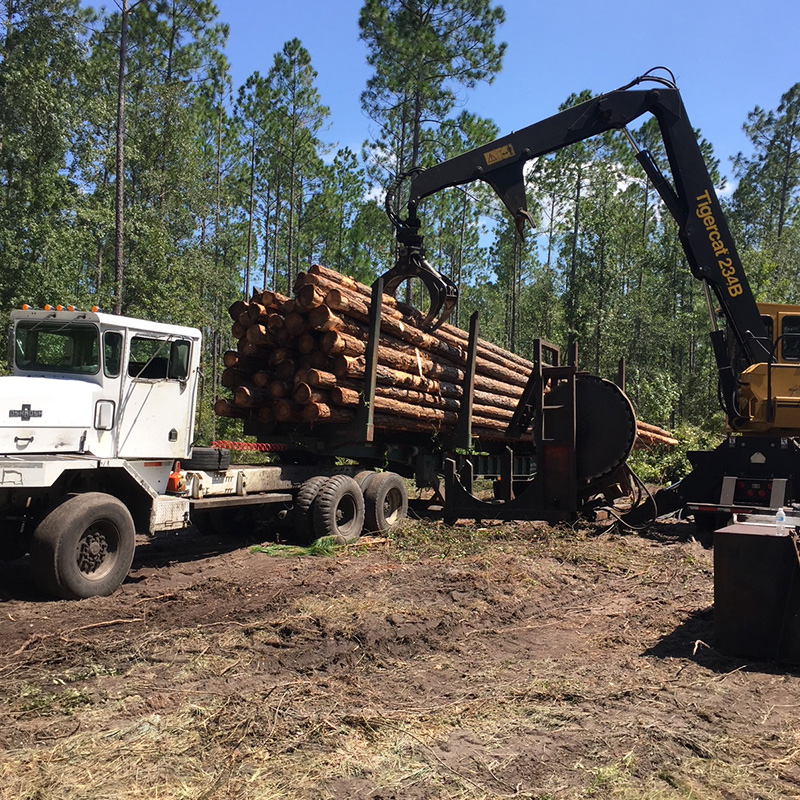
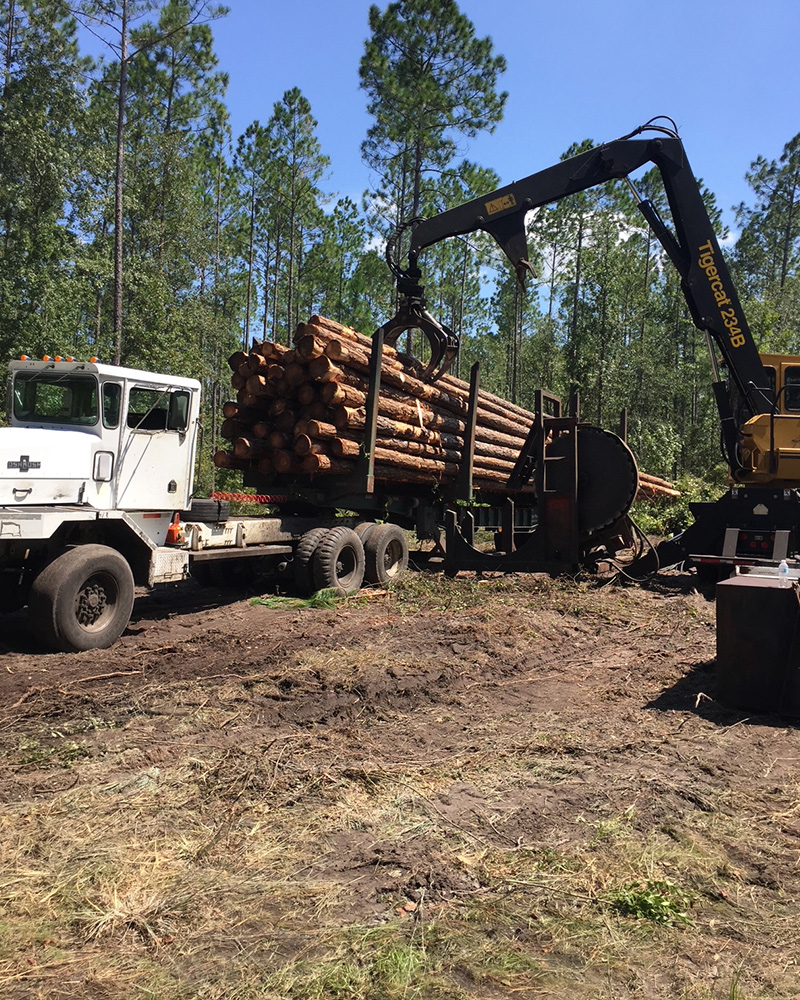
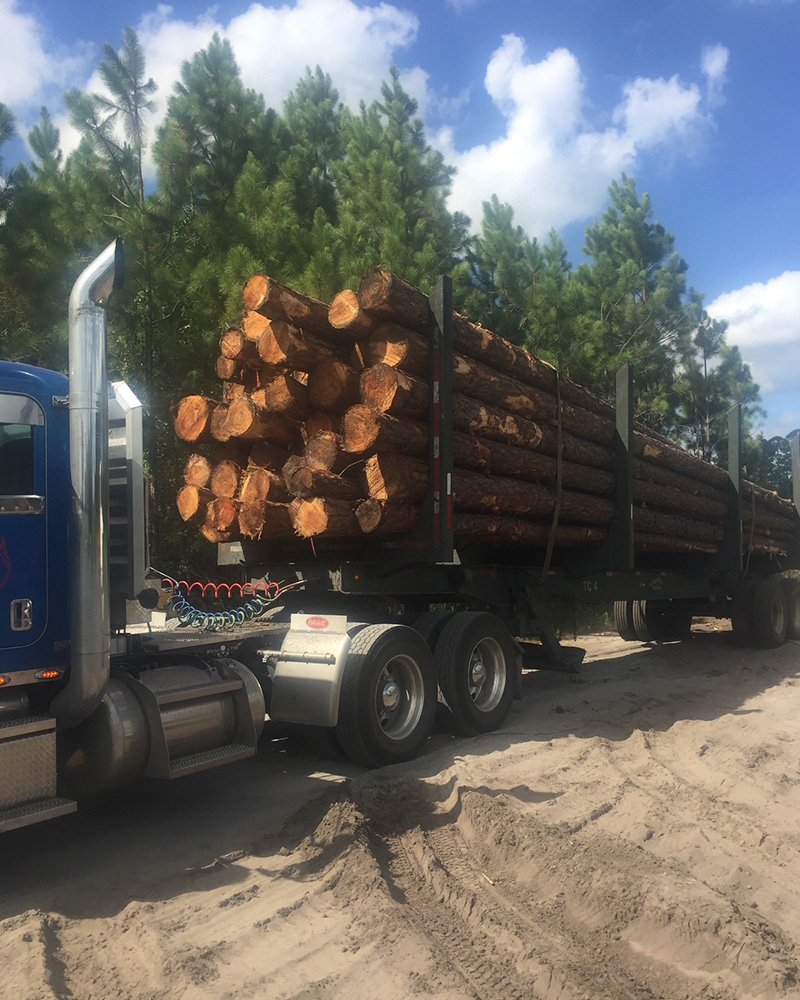
Generally, logging is an expensive operation involving large equipment. The size, quality, and quantity of timber on a site combined with sufficient access to the site are factors that determine whether a site can be profitably logged. Trees on a residential lot are not of interest to wood buyers.
Why do I need to have a Forest Management Plan?
A Forest Management Plan forecasts the activities that should take place to maintain a healthy, productive forest and achieve the landowner’s goals regarding the use of the land. Well-planned care of a tree stand can result in significantly greater quality and volume of timber in the stand. To qualify for agricultural classification of land for tax purposes, a timberland owner is required to have a Forest Management Plan on file with the County Property Appraiser.
What kind of trees can be successfully planted on my land?
The type of trees to plant is dependent on the characteristics of the soil, the attributes of the tree species, and other growing conditions unique to a site.
Is there anything I can do to increase the growth of my timber stand?
Proper planting methods, use of genetically-improved seedlings, appropriately applying fertilizer and herbicides, and thinning stands to remove diseased, suppressed, and poorly-formed trees all contribute to more robust growth.
Why would I want to do a control burn on my property?
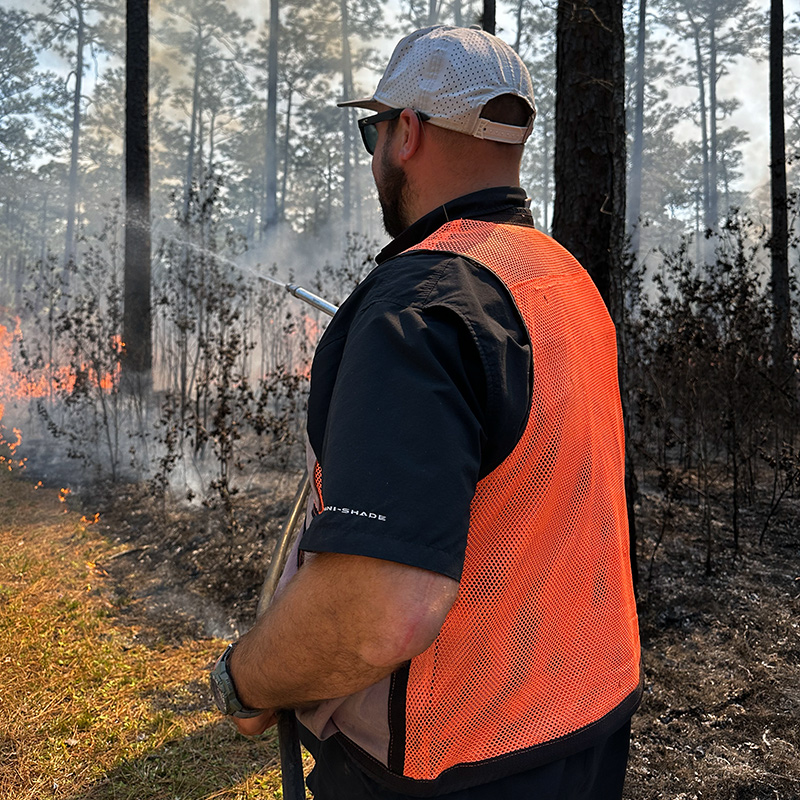
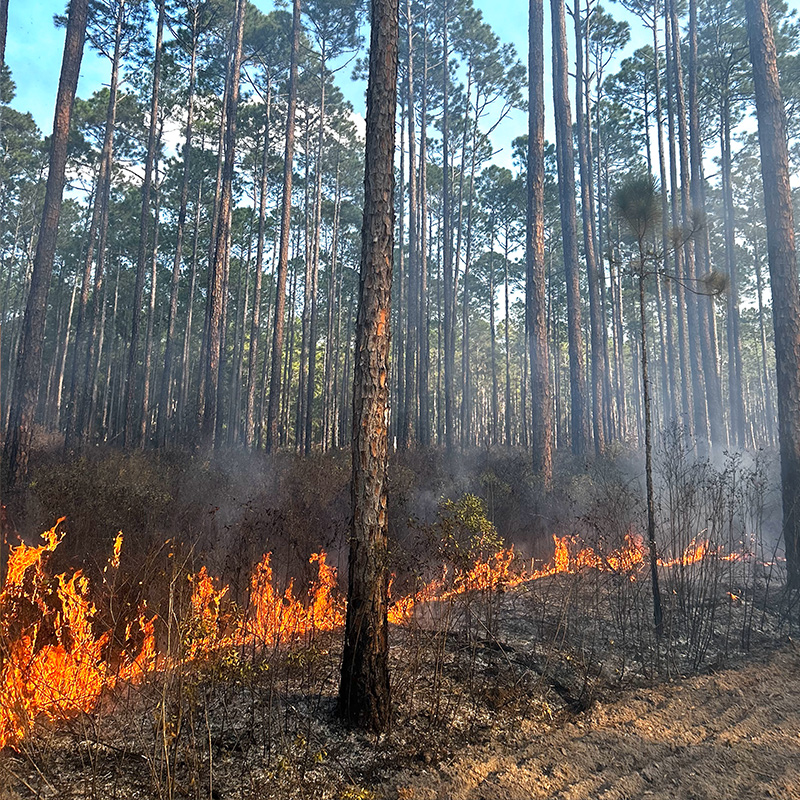
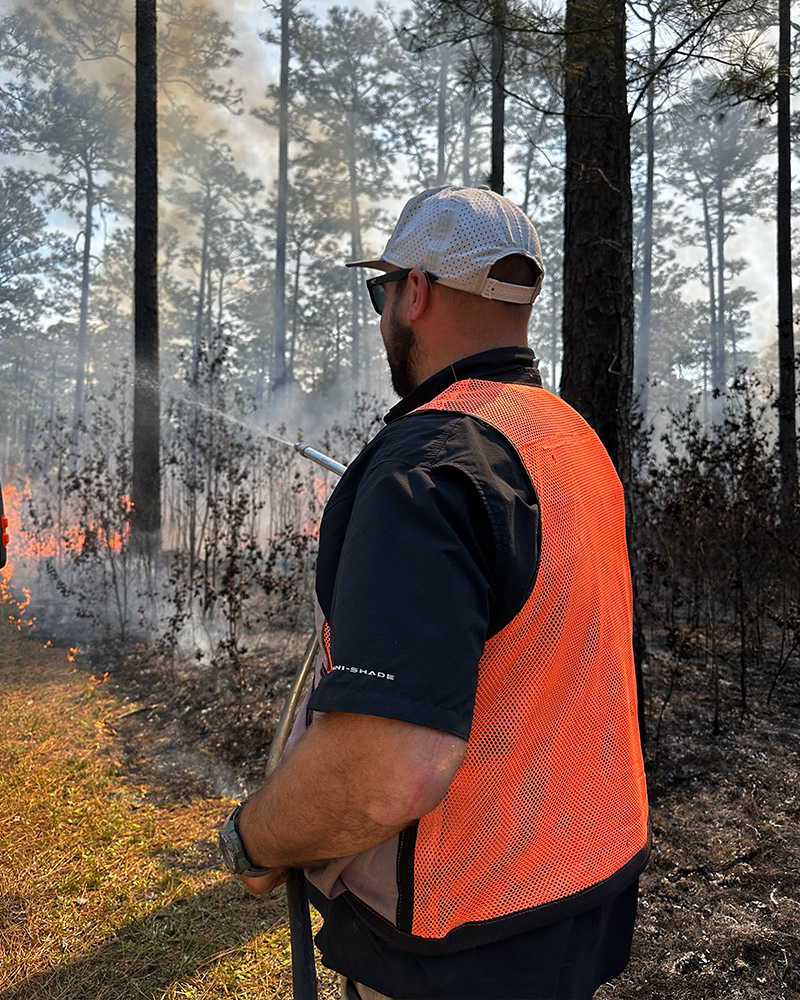
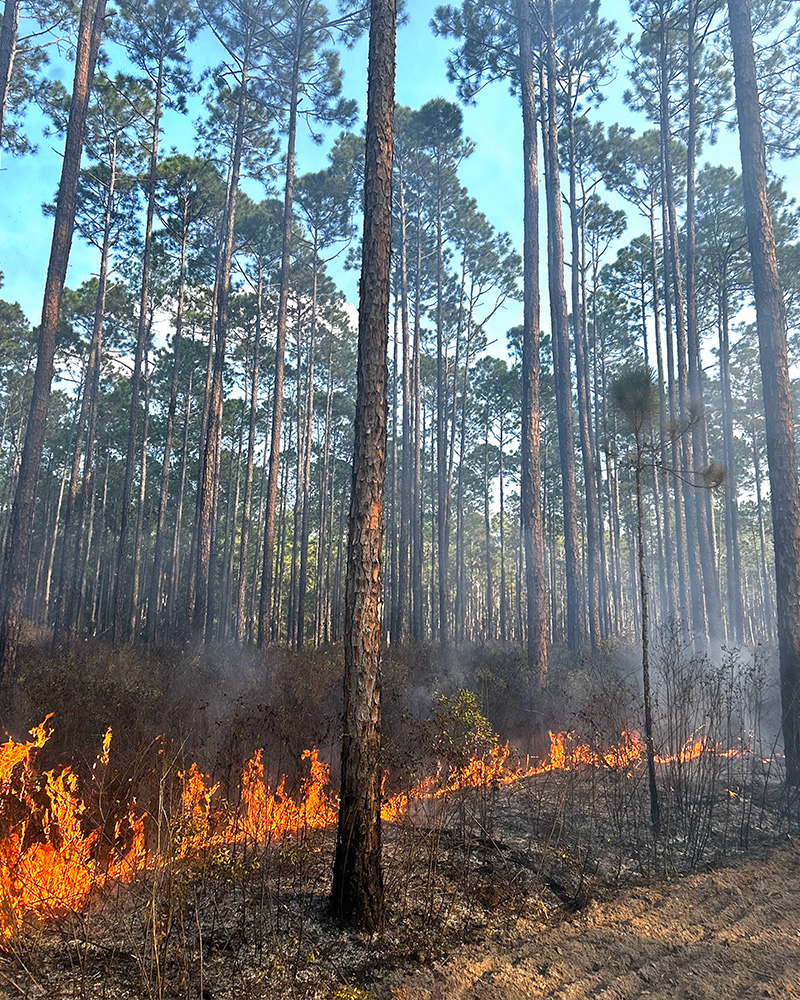
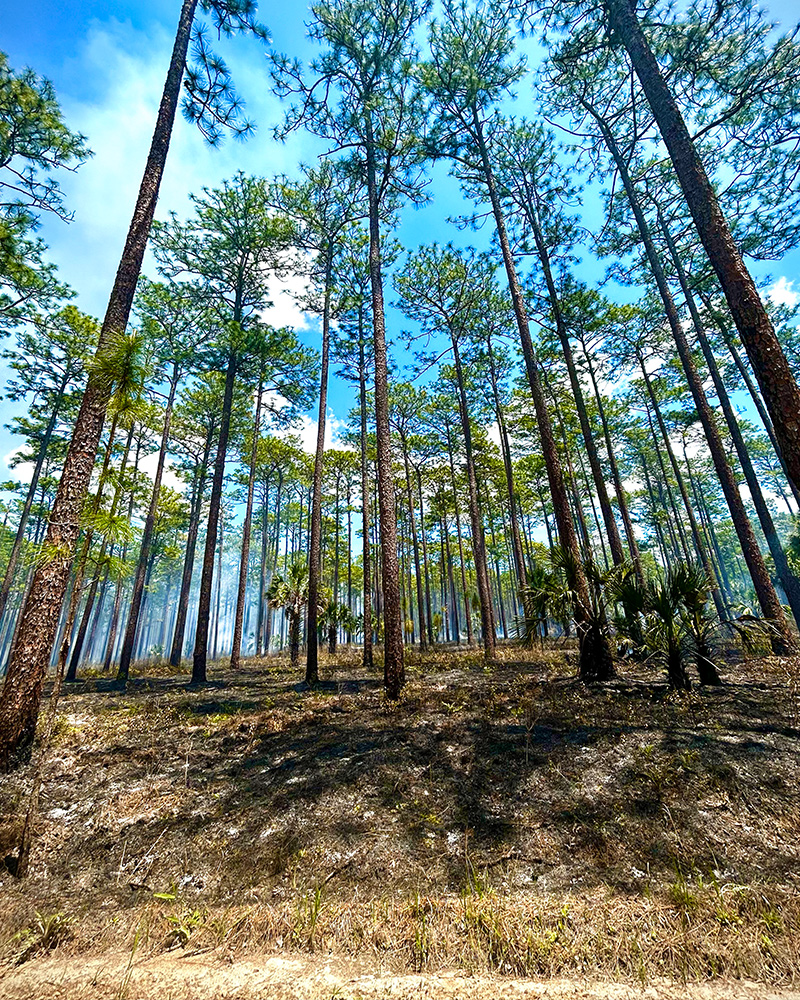
Controlled burning is one of the most productive ways to reduce the accumulation of understory vegetation that accelerates wildfire in a forest. In addition, periodic low-intensity fire speeds up the process of forest decomposition, creates open patches for new plants to grow, improves habitat and food for animals, and delivers nutrients to the plants that survive.
How can I find out about other activities that can produce revenue and recreation on my forestland?
There are many activities that can produce revenue while a tree crop is growing and promote recreational enjoyment of the forest. Selling pine straw, leasing land for hunting, selling non-timber products that grow in the forest, leasing land for camping and other recreational pursuits, offering educational programs and tours, participating in carbon credit programs, and establishing conservation easements are examples of activities compatible with growing timber.
How can I protect my timber from wildfire?
Reducing the understory fuel, spacing trees properly when planting, thinning stands to remove diseased and poorly formed trees, planting the appropriate trees on a site to cope successfully with wet or dry conditions can help a stand resist wildfire.
How do I know when is the best time to harvest my timber?
Timing of timber harvesting is important in obtaining the best prices for your timber. There are many factors that increase or decrease demand for timber products and your Consulting Forester is continuously involved in assessing these factors in the market in order to advise landowners.
How can I be sure that the loggers who cut my timber are accounting for all the wood that is harvested?
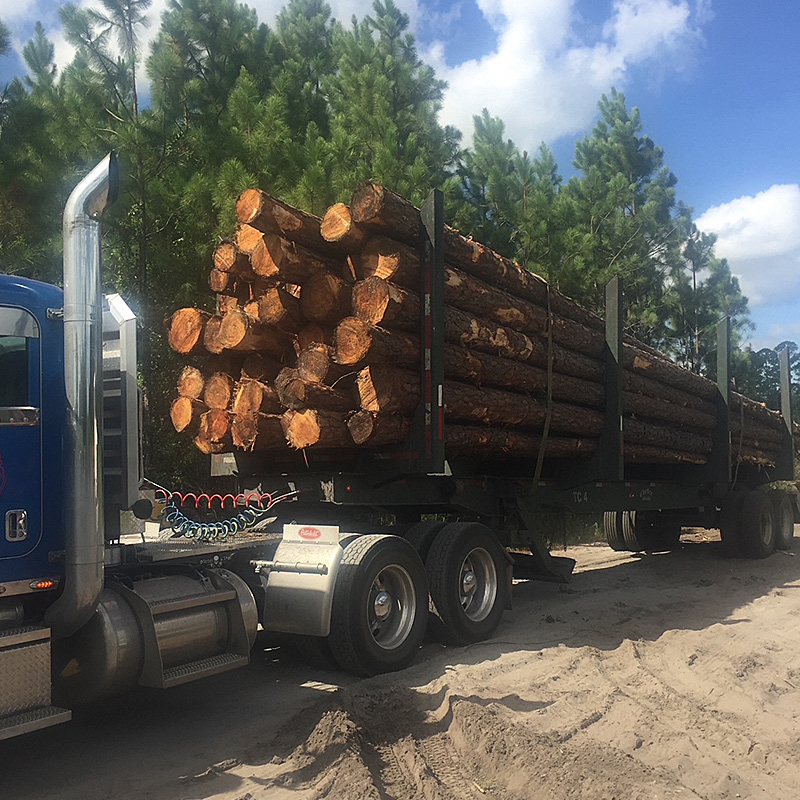
Your Consulting Forester uses a combination of engaging reputable timber buyers, standard processes to account for timber loads, and regular observation of logging sites to verify the harvest of a site.